

Nurturing a Child’s Curiosity
Children are naturally curious beings. From the moment they are born, they begin to explore the world around them, eager to learn and discover. This innate inquisitiveness is a powerful tool that parents, caregivers, and educators can harness to help children develop and grow into well-rounded individuals. In this blog, we will explore the importance of nurturing a child’s curiosity and provide tips on how to do so effectively.
The Power of Curiosity
Curiosity is the driving force behind learning and development. It motivates children to ask questions, seek answers, and engage with their surroundings. When children are curious, they become active participants in their own learning journey, taking the initiative to explore and experiment.
Why Curiosity Matters:
- Fosters a love for learning: When children are encouraged to follow their curiosity, they develop a lifelong passion for learning. They see knowledge as an exciting adventure rather than a chore.
- Builds critical thinking skills: Curiosity encourages children to think critically, analyze information, and solve problems. These skills are invaluable throughout life.
- Sparks creativity: Curious children often come up with innovative ideas and solutions. Nurturing their curiosity can lead to the development of creative thinkers and problem solvers.
- Promotes independence: Encouraging curiosity helps children become more self-reliant. They learn to seek information and solutions on their own, which boosts their confidence and independence.
- Enhances social and emotional development: Curiosity fosters empathy and understanding. It allows children to connect with others, ask questions, and engage in meaningful conversations.
Ways to Harness a Child’s Inquisitiveness
Here are practical ways parents, caregivers, and educators can nurture curiosity:
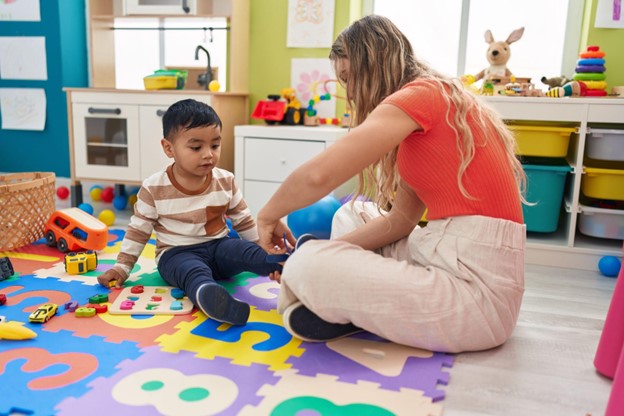
- Create a stimulating environment: Surround children with a variety of age-appropriate books, toys, and materials that encourage exploration and discovery.
- Encourage questions: Welcome your child’s questions and answer them patiently. Explore unknown answers together.
- Be a role model: Show curiosity by exploring new interests, reading, and sharing discoveries with your child.
- Explore the outdoors: Nature is a wonderful classroom. Observe plants, animals, and natural phenomena while encouraging questions.
- Provide hands-on learning: Engage in activities like science experiments, cooking, gardening, or building projects to learn through experience.
- Offer open-ended toys: Choose toys and games that allow creativity and imagination, like blocks, art supplies, and puzzles.
- Support their interests: Encourage children to dive deeper into subjects they are passionate about, whether it’s dinosaurs, space, art, or history.
- Limit screen time: Excessive screen time can stifle curiosity. Encourage other forms of play and exploration.
- Celebrate mistakes: Teach that mistakes are part of learning and emphasize resilience and trying again.
- Foster a growth mindset: Encourage the belief that abilities can grow with effort and learning.
Nurturing a child’s curiosity is a gift that keeps on giving. By harnessing their inquisitiveness, parents, caregivers, and educators set children on a path of lifelong learning and personal growth. Curious children are more likely to become confident, creative, and critical thinkers ready to face the challenges of the ever-changing world.
Enjoy answering and engaging your little ones!